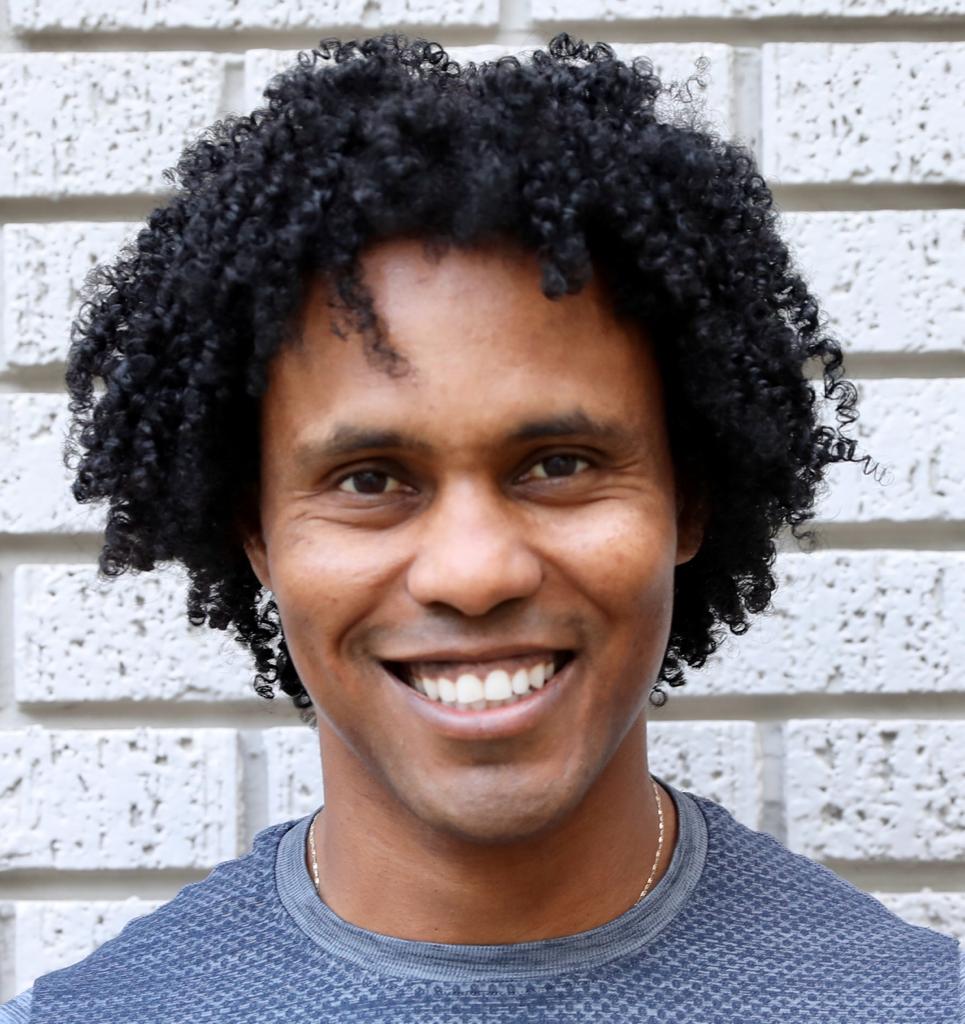

Strength Training for Seniors in San Francisco | Coach Junior Fitness
Getting older doesn’t mean giving up strength, mobility, or the kind of independence that lets you walk the hills of San Francisco, carry groceries, or play with your grandchildren. Strength training for seniors is the most practical, science-backed way to protect muscle, bones, and balance — and the great news is you don’t need a fancy gym or heavy equipment to start.
Hi — I’m Coach Junior. I train older adults across San Francisco in homes, parks, and online sessions. My approach is simple: functional exercises, sensible progressions, and real-world goals. Below you’ll find a detailed, practical guide — from what happens to muscles as we age, to step-by-step exercises (chair-based to dumbbells), frequency advice, an 8-week sample program, safety notes, nutrition tips, and how to make training a habit in San Francisco’s neighborhoods.
What Is Strength Training for Seniors and Why It Matters
Strength training for seniors is any structured activity that challenges muscles through resistance — bodyweight, bands, dumbbells, or everyday objects — to build or preserve strength, power, and function. For older adults, the emphasis shifts from “looking ripped” to “moving well,” preventing falls, keeping independence, and improving quality of life.
What Happens to Muscles, Bones and Balance as We Age
Think of the body like a house. Over the years, if you ignore the foundation and support beams, cracks appear. Muscles (the beams) shrink (sarcopenia), bones (the foundation) can lose density (osteopenia/osteoporosis), and balance systems (plumbing, wiring) get slower. These combined changes make everyday tasks — standing up, climbing stairs, carrying a bag — harder and increase fall risk.
Sarcopenia reduces muscle mass and the explosive power used when you need it most — like stopping yourself from tripping. Bone density wanes with inadequate load-bearing or nutrition, increasing fracture risk. Balance declines because of slower reaction times and weaker stabilizers in hips and ankles.
Why Strength Training Is Vital for Seniors?
Strength training reverses or slows these trends. It’s not just about lifting weights; it’s about reclaiming function. A 2-3x/week structured resistance program improves muscle strength, increases bone-loading stimulus, and boosts balance and gait. That’s literally the difference between needing help and staying independent. Plus, strength training helps mood, sleep, metabolic health, and — yes — confidence. Want to walk through Golden Gate Park without fear? Strength work helps with that. What Are the Best Strength Training Exercises for Seniors?

What Are the Best Strength Training Exercises for Seniors?
Good news — the best exercises are often simple, functional, and easy to progress. Below I break them into beginner (no equipment / chair-based) and intermediate (bands / dumbbells) moves, then show balance and functional options that matter in real life.
Beginner (No Equipment / Chair-Based) — 6 Essential Moves
These are perfect if you’re just starting, rehabbing, or prefer in-home sessions with Coach Junior. Each move targets function: standing, reaching, pulling, and steadying.
Chair Sit-to-Stand (Squat Alternative)
Why it’s gold: This is the everyday motion — standing up from a chair — and it directly predicts independence.
How to do it: Sit mid-seat in a sturdy chair, feet hip-width, lean slightly forward, press through heels and stand tall, then slowly sit back. Hands can cross the chest or lightly touch the chair if needed.
Progression tips: Increase reps, use a lower chair, or hold a light weight (a small dumbbell or water bottle) when ready.
Coaching cue: “Drive through the heels, keep a proud chest, and treat the sit as gently as the stand.”
Seated or Wall Push-Up (Chest & Shoulders)
Why: Upper body strength helps with pushing doors, getting up from the floor, and carrying things.
How: Wall push-ups start upright: hands on wall shoulder-width, step back, lower chest toward wall, push back. Seated push-ups (or chair dips gently) help if balance is a problem.
Progression: Move from wall to a table edge, then a lower surface as strength grows.
Seated Row with Band (Back Strength)
Why: Strengthening the back corrects posture, assists carrying grocery bags, and reduces shoulder pain.
How: Anchor a resistance band at chest height, sit tall, pull elbows back while squeezing shoulder blades, and return with control.
Progression: Use a stronger band or stand while rowing for core challenge.
Standing Hip Hinge / Good Morning (Hips & Posterior Chain)
Why: The hip hinge trains the muscles that help you pick things up safely and stabilize while walking.
How: Stand feet hip-width, slight bend in knees, hinge at hips with a flat back, push hips back like closing a car trunk, and return by driving hips forward.
Progression: Add light weight (a small dumbbell or kettlebell) once form is solid.
Calf Raises (Ankle Strength & Balance)
Why: Ankles help you adapt to curbs, uneven sidewalks, and SF hills. Strong calves reduce trips.
How: Stand next to a chair for support, rise onto toes, pause, lower with control. Try single-leg balance holds when ready.
Progression: Slow the eccentric (lowering) phase, or hold weight.
Seated Core Bracing (Abdominal Stability)
Why: Core control stabilizes the spine for safe lifting and stable walking.
How: Sit tall, inhale, then gently brace the belly like preparing for a light tap; hold for 20–45 seconds, breathing normally.
Progression: Increase hold time or practice bracing during standing tasks.
Intermediate (Bands / Dumbbells) — 6 Progressions
As strength and confidence grow, add resistance and complexity to build real-world power.
Goblet Squat or Split Squat
Why: Both increase leg strength for stairs and standing tasks. The goblet squat is a great progression from chair sit-to-stand.
How (Goblet): Hold a dumbbell or kettlebell close to the chest, sit back into hips, keep knees tracking over toes, stand tall.
How (Split Squat): One foot forward, one back, lower straight down to a controlled depth, press up.
Progression: Increase depth, add reps, use slightly heavier weight.
Dumbbell or Band Overhead Press
Why: Builds shoulder and triceps strength — helpful for reaching up, putting dishes away, and dressing.
How: Seated or standing, press weight overhead with control, avoid overarch in the back (engage core).
Progression: Increase weight or perform standing single-arm presses for core integration.
Deadlift Variation (Kettlebell or Dumbbell)
Why: Trains the posterior chain (hamstrings, glutes) which powers walking, stair climbing, and lifting.
How: Use a lighter kettlebell or dumbbell. Hinge at hips, keep back neutral, lower weight to mid-shin, then stand by driving hips forward.
Progression: Increase weight slowly and add sets.
Farmer Carry (Grip, Core & Shoulders)
Why: Walking while holding weight improves grip strength, posture, and overall conditioning — extremely functional.
How: Hold a weight in each hand at your sides and walk a measured distance, keeping posture tall.
Progression: Increase distance or slightly increase weight.
Balance & Functional Strength Exercises
Balance drills reinforce safety and confidence — especially in a city full of stairs and hills.
Single-Leg Stance, Heel-to-Toe Walk, Step-Ups
Single-Leg Stance: Stand tall, lift one foot slightly and hold 10–30s. Use support as needed.
Heel-to-Toe Walk: Walk in a straight line placing the heel of the front foot to the toes of the back foot — great for gait and balance.
Step-Ups: Find a low step and practice stepping up and down slowly, focusing on the working leg.
All of these can be progressed by closing eyes (only if safe), increasing time, or adding a light weight.

How Often Should You Do Strength Training for Seniors?
Short and practical: aim for at least 2 sessions per week that challenge major muscle groups, with 48–72 hours of recovery between full-body sessions. If you can tolerate more, 3 sessions can accelerate gains while still giving recovery time.
Frequency, Intensity and Recovery: Practical Guidelines
Frequency: 2–3 sessions/week for most older adults. Two sessions are the minimum for meaningful improvement; three is excellent when staggered (e.g., Mon/Wed/Fri).
Intensity: Choose resistance that makes the last 2–3 reps of a set challenging while maintaining good form. For beginners this may be bodyweight or a light band.
Recovery: Older adults often need slightly longer recovery — prioritize sleep, hydration, and light activity on rest days (walking, mobility work).
Progression rule: If you can do 12–15 reps comfortably for two sessions in a row, it’s time to increase the resistance slightly.
Sample 8-Week Strength Program for Seniors (Beginner → Intermediate)
Here’s an approachable progression to go from chair-based confidence to stronger, more capable movement.
Week-by-Week Progression & When to Increase Load
Weeks 1–2 (Intro, 2x/week): Chair sit-to-stand, wall push-ups, seated row with band, calf raises, seated core bracing. Focus on form and 8–10 reps per exercise.
Weeks 3–4 (Adaptation): Continue 2x/week; increase sets to 2–3, and add mini step-ups. Introduce a very light dumbbell for overhead press if appropriate.
Weeks 5–6 (Progression, 2–3x/week): Transition to goblet squats or split squats, deadlift variation with light weight, farmers carry short distances, and add single-leg balance holds.
Weeks 7–8 (Consolidation): Increase intensity: more challenging bands or slightly heavier dumbbells; add an extra short mobility/balance session midweek. Test functional metrics (sit-to-stand in 30s, timed walk, step-up repetitions).
When to increase load: when you can reliably complete the target reps with good form and recovery is normal (no sharp pain, mild soreness acceptable).
Safety, Modifications & Special Considerations (Osteoporosis, Joint Pain)
Safety is non-negotiable. Modifications let folks with osteoporosis, arthritic joints, or recent surgeries gain the benefits without risk.
When to See a Doctor or Physical Therapist
If you have any of these, seek clearance: recent cardiac event, uncontrolled hypertension, unstable angina, significant neurologic issues, or recent major surgery. A physical therapist can prescribe safe progressions after fractures, joint replacements, or balance impairments.
Joint-Friendly Modifications and Red Flags
Knee pain: Substitute deep squats with sit-to-stand from higher chairs or partial range step-ups. Use bands for controlled strengthening.
Osteoporosis: Avoid high-impact or end-range spinal flexion. Focus on loaded, upright exercises that stimulate bone safely (e.g., weighted carries, squats with upright posture).
Red flags: sharp joint pains, sudden swelling, chest pain, severe dizziness, or fainting during exercise — stop and seek medical attention.
Nutrition, Sleep & Recovery Tips for Older Adults
Strength gains don’t happen in the gym alone. Nutrition and sleep are the quiet partners that make progress possible.
Protein Targets, Vitamin D & Hydration
Protein: Aim for a protein-rich source at each meal. A practical target is about 20–35 grams of protein per meal for many older adults, depending on body size and needs. Protein supports muscle repair and growth.
Vitamin D & Calcium: Important for bone health. Check levels with your clinician and supplement when needed. San Francisco’s cloudy days can reduce sun exposure, so many older adults benefit from supplementation.
Hydration: Older adults can have blunted thirst signals — make a habit of drinking water throughout the day, especially before/after sessions.
Sleep: Deep sleep is when repair happens. Prioritize routine sleep to improve recovery and cognition.
Motivation & Making Strength Training a Habit in San Francisco
Consistency beats intensity. Start small, pick a schedule, and link workouts to daily habits (e.g., train after morning coffee). Use the city to your advantage — a short walk to the park is a built-in warm-up.
In-Home Training vs Gym vs Group Classes — What Fits You?
In-Home Training: Best for convenience, privacy, and personalization — my favorite for clients who prefer one-on-one focus.
Gym: Good when you want machines and heavier loads; can be intimidating for beginners.
Group Classes: Great for social motivation but less tailored; make sure the instructor understands senior modifications.
Coach Junior provides in-home and park sessions across San Francisco neighborhoods, combining convenience with personalized programming so you actually stick with it.

Why Choose a Local In-Home Trainer (Like Coach Junior) in San Francisco
A local trainer understands the specifics of where you live: the hills, the stairs, park accessibility, and typical daily activities in SF. That local touch turns exercises into practical gains.
From the Marina to the Sunset, I tailor workouts to your environment. If you live near steep streets, we’ll train stair strength and ankle stability. If you’re in a walkable flat neighborhood, we’ll emphasize endurance and gait. Personalization reduces barriers: I bring bands, small weights, and a plan that fits family life.
Conclusion
Strength training for seniors is the single smartest investment in your mobility, safety, and independence. Start where you are — chair-based moves are powerful — and progress intentionally. Two well-structured sessions per week plus attention to nutrition, sleep, and balance work will pay immediate and lasting dividends. If you live in San Francisco and want personal, practical coaching that fits your life, Coach Junior offers in-home, park, and virtual options tailored to your goals. Ready to start? One purposeful session today is the first rep toward a stronger tomorrow.
FAQs
How often should I do strength training to see noticeable benefits?
Aim for at least two sessions per week focusing on major muscle groups. Most people notice functional improvements (standing from chairs, climbing stairs) within 4–8 weeks when consistent.
I have knee pain — can I still strength train?
Yes. Many knee-friendly modifications exist: chair sit-to-stands, partial range lunges, resistance band leg work, and controlled step-ups. Start slow and consider in-home sessions with a trainer who understands joint issues.
Do I need a gym membership or expensive equipment?
No. Many effective programs rely on bodyweight, resistance bands, small dumbbells, or household items. In-home and park sessions in San Francisco are ideal for this approach.
What should I eat to support strength training as an older adult?
Prioritize a protein source with each meal (e.g., eggs, dairy, beans, fish), check vitamin D and calcium with your doctor, stay hydrated, and include whole grains, fruits, and vegetables to support recovery.
How does Coach Junior tailor programs for San Francisco seniors?
Coach Junior personalizes training by assessing your daily life, neighborhood terrain, and medical history. Whether you want in-home coaching, a sunny park session, or virtual training, programs emphasize functional strength, balance, and safe progression — designed for real life in San Francisco.