
Is a Personal Trainer Worth It? Facts, Costs & SF Advice
Thinking, “Is hiring a personal trainer worth it?” is one of the first and smartest questions someone asks when they want results — not just busywork. The short truth: hiring a personal trainer can be, and often is, worth it — when the trainer matches your goals, lifestyle, and the realities of life in San Francisco. This guide answers that question with evidence-backed context, practical local examples (in-home and outdoor training in San Francisco), and a clear framework for deciding whether to invest.
Is Hiring A Personal Trainer Worth It?
Usually yes — but only if you pick the right trainer for your needs.
If your priority is faster progress, safer workouts, rehab-aware programming, or accountability that actually moves the needle, a personal trainer is a high-return investment. If you’re already highly disciplined, experienced with sound programming, and comfortable self-coaching, lower-cost alternatives might be better.
Evidence-backed answer
Adherence & consistency: Research and industry reviews repeatedly show that coached clients are more likely to stick with plans. Accountability from a coach — scheduled sessions, check-ins, and progress reviews — increases session attendance and program adherence.
Safety & injury reduction: Trainers correct form and plan progressions that lower injury risk. For people rehabbing injuries, recovering from surgery, or with chronic pain, a qualified coach often prevents setbacks that would otherwise cost time and money.
Faster results per hour invested: Personalized programming eliminates wasted workouts. Instead of guessing intensity, volume, and exercise selection, you train with a plan tailored to your goals and constraints — and you see progress sooner.
Put plainly: when your goals require technical skill, measurable progress, or trustable programming (weight loss, hypertrophy, race performance, post-injury rehab), the trained coach usually delivers better ROI than unguided effort.
What personal trainers actually do (real-life, not Instagram)
Personal trainers’ day-to-day work is far less about flashy photos and more about planning, observing, adjusting, and supporting.
Assess & baseline. Movement screens, strength tests, mobility checks, and simple lifestyle interviews to set realistic targets.
Program design. Periodized plans that balance stress, recovery, and progressive overload for the actual person — not a hypothetical athlete
Technique coaching. Hands-on cueing, regressions, and progressions so every rep builds skill and reduces injury risk.
Progress tracking & adjustments. Logging weights, reps, running times, body metrics, sleep, and stress to fine-tune the plan.
Behaviour change & habit coaching. Building routines—small, sustainable steps that stack into lifelong habits.
Motivation & accountability. Scheduling, reminders, and real-time encouragement that gets people to show up and push when it counts.
A quality trainer’s value is the combination of these tasks repeated consistently — not one stand-alone pep talk.
One-on-one vs small-group vs remote coaching
One-on-one: The most tailored option. Trainers can deeply focus on technique, tweak programming session-to-session, and respond to acute issues (pain, fatigue). Best for complex goals (rehab, strength gains, athletic performance).
Small-group training: Cost-effective and community-driven. Good for motivation and basic form coaching, but less individualized progressions. Great for those who want accountability and social energy.
Remote coaching (online): Highly flexible and often the cheapest option. Effective for disciplined people who can self-report and follow instructions. Works best as a hybrid when combined with occasional in-person check-ins for technique.
In-home & outdoor training in San Francisco: what that looks like
San Francisco has unique fitness realities: small apartments, hilly running routes, and an enormous appetite for outdoor fitness. In-home and outdoor training adapts perfectly:
Apartment-friendly programming: short, high-impact sessions using dumbbells, bands, body weight, or minimal equipment. No parking, no crowds.
Crissy Field & Golden Gate Park workouts: interval runs, hill repeats, mobility circuits on the grass, and functional strength sessions that use benches, curbs, and hills as tools.
Trail-to-street conditioning: preparing runners for the Bay Area’s variable terrain (elevation, wind, and mixed surfaces).
Weather-wise scheduling: early morning sessions before fog rolls in, or midday outdoor mobility sessions when the city clears.
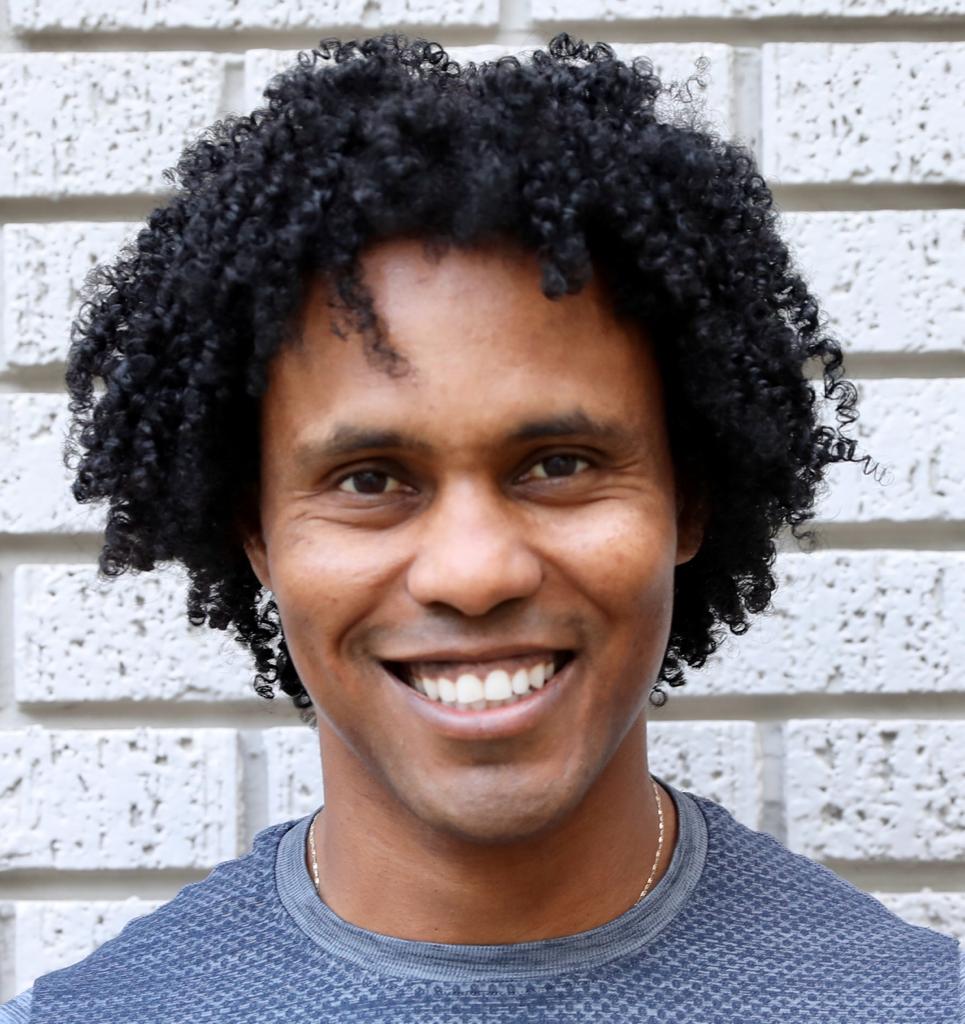
Coach Junior trains clients across San Francisco neighborhoods — bringing the gym to your front steps or meeting you at a local run route to build practical, city-ready fitness.

Top benefits of hiring a trainer
Faster progress and smarter programming
A trainer makes every workout count. Rather than random sets and rep ranges, your sessions follow a progression that prioritizes what moves you toward your measurable goal: run faster by X % or lose Y pounds while retaining muscle. Smart programming balances frequency, intensity, and recovery so progress is smooth and sustainable.
Technique, safety, rehab-aware coaching
Proper technique means more gains and fewer setbacks. Trainers teach joint-friendly progressions, load management, and when to pause or regress. If you’ve had an injury, a trainer can design a rehab-aware plan that safely rebuilds capacity — essential for long-term consistency.
Accountability: the human variable that matters
Apps give reminders. A coach shows up. That human presence — the one who notices missed workouts and corrects patterns — is why many people finally turn their “I’ll start Monday” into real, measurable change.
The Coach Junior difference (local, in-home, outdoors)
Coach Junior is built for San Francisco life. My approach blends movement science with real-world practicality: short, effective sessions that scale to your equipment, mobility constraints, and neighborhood. I prioritize teaching you how to train yourself — not creating dependency — so the skills and habits last beyond our sessions.
Local knowledge: I know which parks work best for HIIT, which apartment gyms have squat racks, and how to structure sessions around SF weather and commute patterns.
Flexible delivery: in-home, apartment gym, or outdoor.
Evidence-based coaching: progressive overload, movement screening, and a focus on sustainable habits.
Success story: SF client (Mission — anonymized)
An anonymized example from my coaching: “M.” from the Mission came to me with back pain, inconsistent training, and a goal to lose 15–20 lbs while building practical strength. Over 12 weeks we focused on movement correction, a progressive strength plan (2–3 strength sessions/week), and consistent walking + mobility work. The results: 18 lbs lost, improved squat depth, and a 25% increase in working deadlift weight — all while reducing back pain and improving daily energy. That’s the kind of outcome I aim for: real-life improvements you feel in work, play, and sleep.
Cost & value: what San Francisco clients pay and how to get ROI
San Francisco pricing varies by trainer experience, session location, and package structure. Typical in-person sessions in urban markets often fall into a wide range; what matters more is what you get: baseline assessments, ongoing adjustments, and measurable progress.
How to get ROI from a trainer:
Define a clear goal with measurable markers. (“Lose 10 lbs of fat,” “add 20 lbs to my squat,” or “run a sub-50 10K.”)
Agree on a minimum commitment window. Most meaningful changes require 8–12 weeks of consistent coaching.
Use hybrid options. Combine a few in-person sessions per month with remote check-ins — you pay less but keep expert oversight
Track progress objectively. Strength numbers, timed runs, and photos beat vague feelings. If numbers move, value follows.
Prioritize education. Trainers who teach you how to program and progress produce long-term ROI because you keep the gains.

When a personal trainer might NOT be worth it
If you’re already disciplined, knowledgeable, and progressing consistently, you may do better with an app or periodic check-ins.
If the trainer is a poor fit (bad communication, no measurable plan, or focus on novelty over fundamentals), the money is better saved. Vet before you commit.
If your budget is extremely tight, explore group classes or online programs until you can invest in quality one-on-one coaching.
How to choose a trainer (credentials, trial session, specialty)
Pick a trainer like you’d pick any expert — credentialed, experienced, and matched to your goal.
Look for relevant certifications (NSCA, NASM, ACSM, or specialty certs for rehab/clinical training) and continuing education.
Ask for specific case studies or measurable client outcomes that match your goal.
Take a trial session to test personality, cueing style, and chemistry. The right coach should explain why they choose an exercise, not just tell you to do it.
Verify insurance & policies. Professional trainers usually carry liability insurance and clear cancellation/booking policies.
Prefer a coach who teaches autonomy. Someone who phases you toward independence will deliver better long-term value.
Coach Junior offers trial strategy calls and an initial assessment so you and the coach can judge fit before committing.
Alternatives & budget-friendly hybrids (apps, small groups)
Group classes: cheaper and social, but less individualized. Great for maintenance phases.
Online programs: efficient for disciplined people; pair with occasional in-person checks for technique.
Hybrid coaching: a handful of weekly/monthly one-on-one sessions plus remote support is often the best cost-to-result compromise.
Workout buddy or accountability group: low-cost, social accountability — works if both partners are committed and experienced.
Conclusion
So — is hiring a personal trainer worth it? For most San Francisco residents who want measurable, safe, and time-efficient progress, the answer is yes — provided you choose the right trainer for your goals. If you need technique corrections, rehab-aware plans, race-specific prep, or the kind of accountability that actually changes behavior, a personal trainer will likely deliver a positive return on investment.
Coach Junior focuses on in-home and outdoor training across San Francisco, pairing science-backed programming with real-world city logistics so your plan fits life — not the other way around. If you’re curious whether a trainer is the right move for your goal, start with a short assessment or a trial session to evaluate fit and expected outcomes.
FAQs
Is hiring a personal trainer worth it for beginners in San Francisco?
Yes — beginners benefit most from technique coaching, structure, and the habit-building that prevents injury and accelerates results.
How long should I work with a trainer to see results?
Expect measurable changes in 6–12 weeks for strength and conditioning goals, and around 12 weeks or more for significant body-composition change. Consistency matters more than speed.
How much does a personal trainer cost in San Francisco?
Pricing varies widely by trainer, package, and location. In-person sessions in urban markets tend to be higher than online options. Ask for transparency: what’s included, the minimum commitment, and any assessment fees.
Can a trainer help with injury rehab?
Trainers who have rehab or corrective exercise training can guide safe progressions and connect with medical providers when needed. Make sure your trainer has experience working with rehab clients.
Are outdoor or in-home sessions as effective as gym sessions?
Absolutely — when programmed correctly. Outdoor sessions with a coach can provide sport-specific conditioning, and in-home sessions can be highly efficient when equipment is selected strategically.
What should I ask in a trial session?
Ask about the coach’s assessment process, how progress will be tracked, examples of past client outcomes similar to your goal, and how they handle setbacks or scheduling conflicts.