
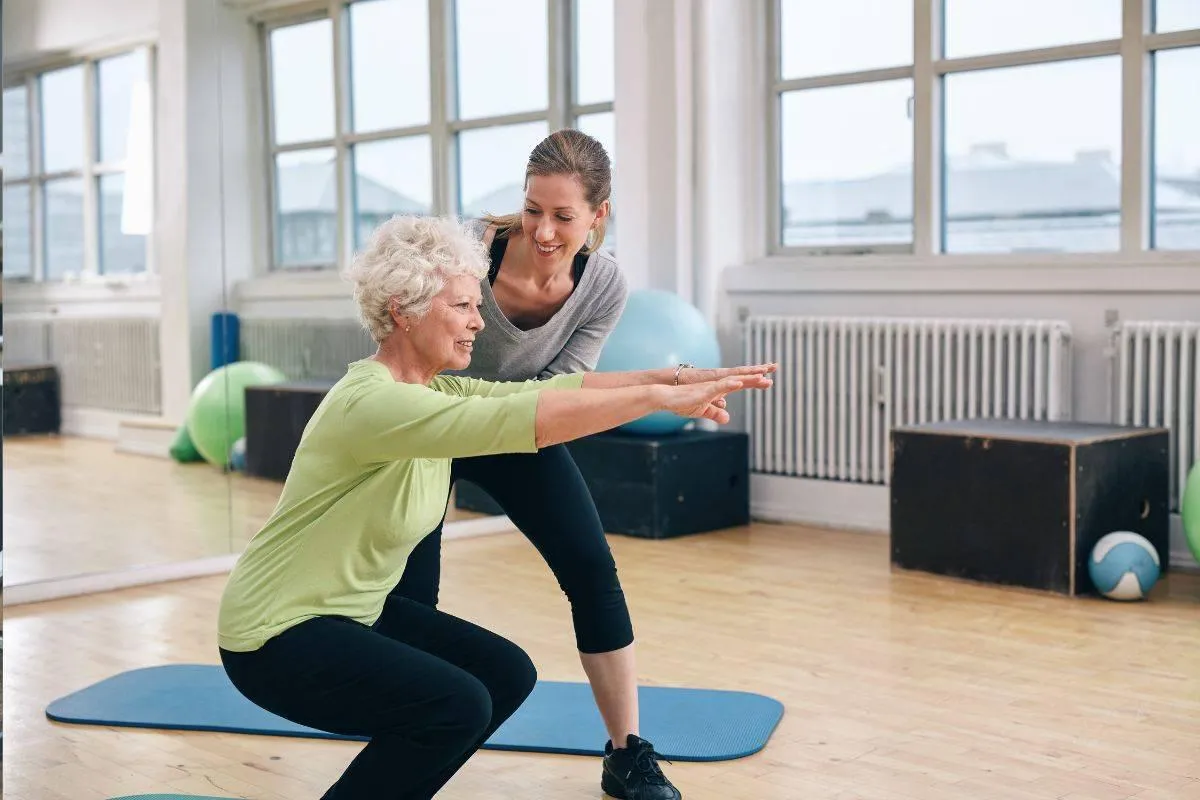
Top Benefits of Personal Fitness Training for Seniors | Stay Fit & Healthy
Discover how personal fitness training can improve strength, balance, and mental health for seniors. Start your journey to a healthier lifestyle today!
Introduction
Aging doesn’t mean slowing down — in fact, it’s the perfect time to get moving with purpose. Personal fitness training for seniors is more than just a trend; it’s a tailored approach to healthy aging that addresses physical, emotional, and social needs. Whether you’re 60 or 90, working with a personal trainer can unlock a better quality of life, improve independence, and give you the confidence to stay active — safely and consistently.
Let’s explore how personal fitness training can help seniors thrive.
Benefits of Personal Fitness Training for Seniors
Personal training for seniors isn’t a one-size-fits-all experience. It’s customized to individual needs, health conditions, and goals. From reducing fall risk to boosting mood and brain function, the benefits are immense. Let’s dive into the details.
Physical Health Benefits
Improved Strength and Mobility
As we age, muscle mass naturally declines — a process called sarcopenia. But here’s the good news: resistance training can reverse age-related muscle loss. Personal trainers design strength-focused routines to increase mobility and make everyday activities (like climbing stairs or carrying groceries) easier and safer.
Enhanced Balance and Coordination
Falls are a major concern for older adults, but balance-focused exercises (like single-leg stands, heel-to-toe walks, or light yoga) significantly reduce the risk. A good personal trainer integrates these movements progressively, helping seniors stay steady on their feet.
Cardiovascular Health
Aerobic activities tailored to your abilities — walking, light cycling, water aerobics — can improve circulation, strengthen the heart, and lower blood pressure. According to the CDC, seniors should aim for at least 150 minutes of moderate-intensity aerobic activity per week, paired with muscle-strengthening exercises twice a week.
Weight Management
Weight gain isn’t inevitable with age. Personal trainers help seniors manage weight through a combo of metabolism-boosting strength exercises and fat-burning cardio, all while being mindful of joint safety and energy levels.
Chronic Disease Management
Fitness training can reduce symptoms and improve outcomes for conditions like arthritis, type 2 diabetes, osteoporosis, and even Parkinson’s. For instance, if you’re managing lower back pain, here’s a helpful exercise guide for seniors that aligns well with personal training techniques.
Mental and Emotional Well-being
Reduced Anxiety and Depression
Exercise is nature’s antidepressant. Regular movement boosts endorphins, which improve mood and reduce stress. Seniors working with a trainer often report feeling more positive, motivated, and mentally resilient.
Enhanced Cognitive Function
Physical training stimulates blood flow to the brain, which is linked to better memory, sharper focus, and reduced cognitive decline. Trainers may include cognitive challenges (like movement-based memory games) to keep the mind engaged.
Better Sleep Quality
Sleep struggles are common with age, but exercise can change that. According to multiple studies, seniors who exercise regularly fall asleep faster, sleep deeper, and wake less during the night.
Social and Lifestyle Benefits
Increased Independence
Personal training enhances physical confidence. Whether it’s getting out of a chair without assistance or driving safely, improved fitness promotes a more independent lifestyle.
Social Interaction and Engagement
Working one-on-one with a trainer offers consistent interaction. For many seniors, this combats feelings of loneliness. Some even choose small-group senior fitness sessions for more connection and community.
Motivation and Accountability
Let’s face it — it’s easy to skip a workout when no one’s watching. A trainer keeps you on track and adapts sessions to fit your energy levels, making fitness a fun and sustainable habit.
Why Hiring a Personal Trainer for Seniors is Important
Personal fitness is great—but personalized guidance is life-changing.
Tailored Fitness Plans for Seniors
A trained professional assesses your mobility, medical history, and lifestyle to design a plan made for you. These plans balance strength, flexibility, balance, cardio, and cognitive engagement—ensuring safety and efficacy over time. If you’d like a secure option, check out Coach Junior’s in-home personal training services, designed for comfort and individual support.
Injury Prevention and Safety
Trainers are trained to spot improper form, detect early pain signs, and adapt exercise intensity as needed. This safeguards seniors against overexertion and injury—especially when conditions like osteoporosis or arthritis are present.
Real-Life Success Stories: How Personal Training Has Helped Seniors
Story 1: Overcoming Health Challenges with Fitness
Take Diane, 72: chronic back pain and poor balance left her relying on mobility aides. After working with a trainer on core strength, posture, and functional movement, she regained her independence. Her discomfort decreased, and her confidence soared—proof that tailored training transforms everyday life.
Story 2: A Senior’s Journey to Better Balance and Mobility
Or consider Robert, 68, who trained for a year—with planks, weighted walking (rucking), and squats—to climb Mount Kilimanjaro. His journey illustrates how focused training can enable even extraordinary goals in later life. Similarly, Mary Coroneos, a 100-year-old fitness enthusiast nicknamed the “mayor of the gym,” still works out twice weekly using strength and mobility training to maintain balance, bone density, and social vitality.
Another inspiring case is Tom Simek, who began fitness at 59 after health scares. He now competes in senior track and field events and shares four key benefits: purpose, connection, mobility, and better sleep.
How to Get Started with Personal Fitness Training?
Choosing the Right Personal Trainer
Look for trainers certified in senior fitness (e.g., NASM, ISSA, ACE). More importantly, choose someone patient, positive, and experienced in adapting workouts for mobility limitations or chronic conditions.
Setting Realistic Goals
Start small: “I want to walk without a cane,” or “I want to play with my grandkids pain-free.” A good trainer will translate your lifestyle desires into fitness milestones and celebrate each win along the way.
Conclusion:
As seniors age, prioritizing good health becomes increasingly vital, with the assistance of a personal trainer playing a crucial role. Furthermore, collaborating with an in-home care provider offers seniors personalized support to manage their activities effectively.
Physical activity is vital to seniors’ health maintenance, particularly in averting chronic illnesses. Additionally, it provides various physical and mental advantages that can enhance the quality of life during one’s later years. Engaging a personal trainer enables seniors to fully capitalize on the myriad benefits of regular exercise, empowering them to lead the desired lifestyle and cherish quality time with loved ones, including tailored exercises for lower back pain for seniors.
FAQ’s
Are Personal Trainers Worth It for Seniors?
Yes, personal trainers are highly beneficial for seniors. They create safe, customized fitness plans that improve strength, balance, and mobility. Trainers also provide motivation, reduce injury risk, and help older adults stay independent, active, and confident in their everyday lives.
Should a 70-Year-Old Do Strength Training?
Absolutely. Strength training is safe and effective at any age, including in your 70s. It helps maintain muscle mass, bone strength, and mobility. Starting slowly with proper guidance can significantly improve energy, balance, and independence for seniors, even if they’ve never exercised before.
What Are the Benefits of a Personal Trainer?
A personal trainer offers expert guidance, customized workouts, and accountability. They help clients set realistic goals, ensure proper form, and reduce injury risk. For seniors, trainers make exercise safer, more effective, and motivating—especially when dealing with age-related concerns or health conditions.
Why Is Strength Training Important for Seniors?
Strength training helps seniors maintain muscle mass, joint stability, and bone density. It improves mobility, balance, and everyday function, making activities like standing up or lifting easier. Regular training also reduces fall risk and supports overall independence as we age.
What Is the Best Exercise Program for Seniors?
The best senior workouts combine strength training, balance, flexibility, and cardio. Examples include walking, light weightlifting, yoga, and resistance bands. Tailored routines based on health and ability ensure safe, well-rounded fitness that supports longevity and independence.
What Activities Help Strengthen Muscles for Seniors?
Great muscle-strengthening activities for seniors include resistance band exercises, bodyweight movements like squats or push-ups, light weightlifting, yoga, and gardening. These build functional strength, improve balance, and support healthy aging when done regularly and with proper technique.